



Arriving in Vietnam for the first time? Knowing what to do first after arriving in Vietnam can make your first few hours much easier. From clearing immigration and getting online to withdrawing cash and reaching your hotel, this guide walks you through the essential steps in the order you’ll need them.
It also helps you prepare for common arrival challenges, such as finding a reliable airport transfer, getting local currency and staying connected without relying on airport Wi-Fi. By following this checklist, you’ll know what to expect, what to prepare and how to avoid unnecessary delays or confusion as you start your trip.
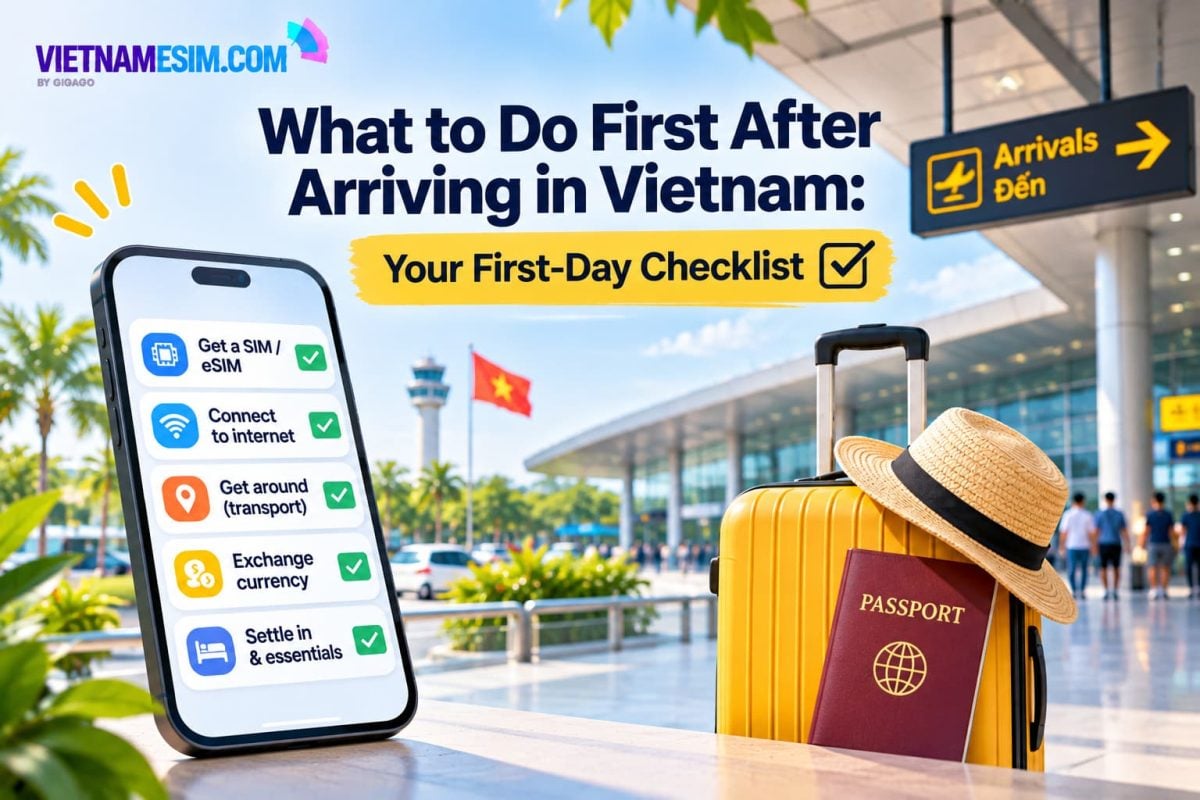
Your first-day checklist in Vietnam
Once you land, follow these steps to get settled:
- Clear immigration and collect your luggage.
- Pass through customs.
- Connect to the Internet using your eSIM, a physical SIM or airport Wi-Fi.
- Withdraw some Vietnamese dong.
- Book a Grab, Xanh SM or official taxi to your hotel.
- Check in, save your hotel’s contact details and get some rest.
Here’s what to know about each step.
What do you need to prepare before you board?
Each of these steps takes a few minutes at home and makes the airport part much quicker:
- Check the entry rules for your nationality on Vietnam’s official tourism site. If you need an e-visa, apply only at evisa.gov.vn. Or if your need premier service, check this Vietnam evisa service.
- Check whether you need to complete Vietnam’s pre-arrival information declaration before departure.
- Install your Vietnam eSIM on Wi-Fi at home if your plan allows it. Check its activation rules first: some plans start counting validity when installed or scanned, while others start when they connect to a Vietnamese network. Here’s why installing your eSIM before arrival helps.
- Download Grab or Xanh SM and create your account while your home SIM can still receive the verification text.
- Save your hotel’s address in Vietnamese and screenshot your booking, so you can show a driver even without a signal.
Then, once you land, the order below works for most travelers.
What do you need to get through immigration and customs?
To get through immigration in Vietnam, prepare your passport, visa or proof of visa-free eligibility, and any required entry documents before reaching the counter.
Take the following steps:
1. Prepare your entry documents
Before reaching immigration, make sure you have:
- Passport: Valid for at least six months beyond your arrival date. Check the entry requirements for your nationality before departure.
- E-visa: Carry a printed copy as well as the digital version on your phone. Vietnam’s tourism board recommends printing your e-visa in case your phone battery runs out or you cannot access the document.
- Visa-free entry: Check the permitted length of stay and any additional entry conditions for your nationality. Some visa-free travelers may need to show a return or onward ticket.
2. Complete Pre-arrival Information (PAI), if required
Vietnam’s Pre-arrival Information (PAI) system allows foreign visitors to submit their travel details online before arrival. Check the latest instructions from your arrival airport and airline to see whether you need to complete the declaration.
If required or recommended, use the official immigration website. The service is free, so avoid unofficial websites that ask for payment.
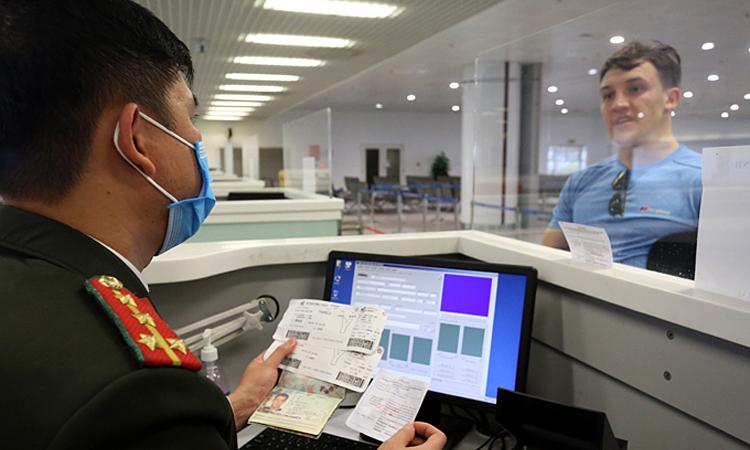
3. Pass through immigration and check your entry stamp
Once you pass immigration, check that the entry date stamped in your passport is correct and note how long you can stay.
4. Complete customs declaration, if applicable
Use the green channel if you have nothing to declare. You must declare:
- Foreign currency exceeding USD 5,000 (or the equivalent in other currencies).
- Vietnamese dong exceeding VND 15 million.
Check the latest customs rules if you’re carrying other restricted or declarable goods.
How do you get your phone online before leaving the airport?
You should get online before leaving the arrivals hall in Vietnam, since you’ll need data to book a ride, message your hotel and open maps. The best option depends on whether you’ve already installed a Vietnam eSIM.
1. If you’ve installed your eSIM before departure
Switch your mobile data line to your Vietnam eSIM and turn on data roaming for that line only.
- On iPhone: Go to Settings > Cellular > Cellular Data, select your Vietnam eSIM, then turn on Data Roaming in that line’s Cellular Data Options.
- On Android: Menu names vary by brand, but look for the mobile data and data roaming settings for your Vietnam eSIM.
Remember to leave data roaming off on your home SIM to avoid charges from your home carrier.
See our guides to activating your eSIM and turning on data roaming after landing for step-by-step instructions.
2. If you haven’t bought an eSIM yet
You can get connected in two ways: use airport Wi-Fi to buy a Vietnam eSIM online or visit an official SIM counter in the arrivals hall.
Option 1: Buy an eSIM using airport Wi-Fi
At Hanoi’s Noi Bai Airport, the free network is called “@Airport Free Wifi – Goldsun”. Our Vietnam airport Wi-Fi guide covers the other major airports in Vietnam.
If you buy an eSIM online over airport Wi-Fi, Vietnamesim.com emails the QR code within minutes and doesn’t ask for your passport. There are plans for Hanoi, Ho Chi Minh City and Da Nang. Just activate it within 30 days of buying.
Option 2: Buy a physical SIM at the airport
You can also buy a physical SIM at an airport counter. Bring your passport, as staff may take a photo of your face to verify your identity.
Before paying:
- Check that the counter is an official carrier store or authorized retailer.
- Confirm the data allowance and validity period.
- Check the total price and any additional charges.
Our guide to SIM card scams in Vietnam explains what to watch for.
3. If you can’t get online before leaving the airport
You can still leave the airport without mobile data. Go to the official taxi rank and show the driver the hotel address you saved before departure, or look for your pre-booked hotel pickup.
If you land late at night, when SIM counters may be closed, read our late-night arrival guide before you fly.
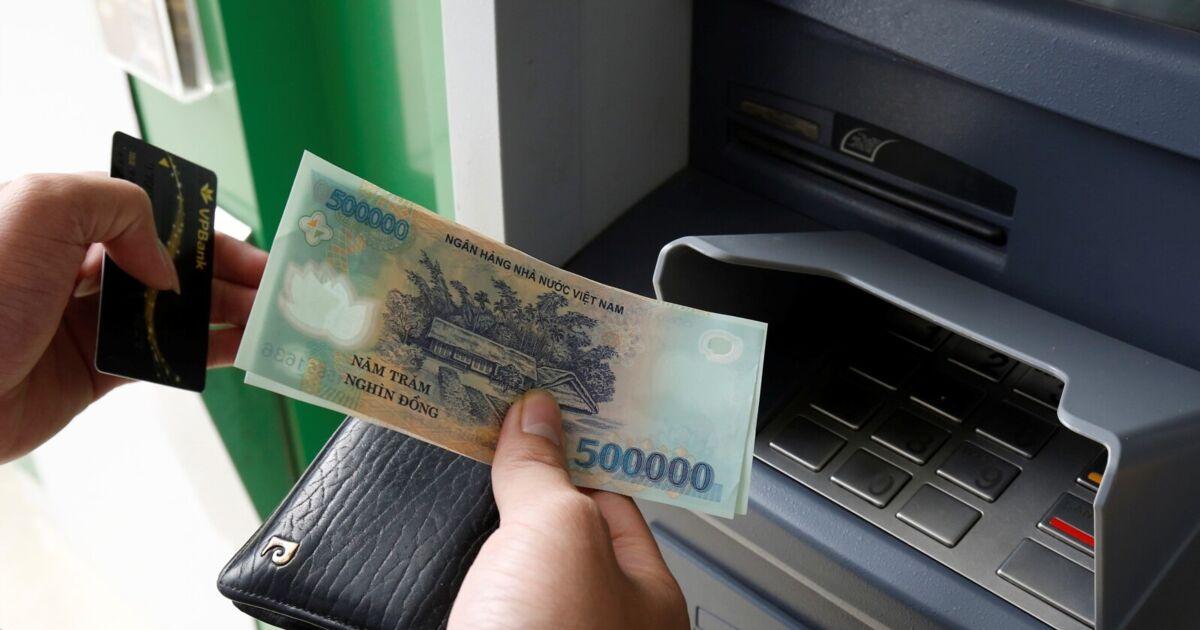
Once you’ve arranged Internet access or a backup way to reach your hotel, the next step is to get some Vietnamese dong for your first expenses.Take a moment to check the denomination before handing over your money.
How much cash should you get at the airport?
You only need enough Vietnamese dong (VND) for your airport transfer, a meal and small expenses on your first day. The exact amount depends on your transport choice and spending habits, so there’s no need to exchange your entire travel budget at the airport.
The easiest way to get VND is to withdraw cash from a bank ATM or exchange a small amount of foreign currency at the airport. Before using an ATM, check its withdrawal fee, as your home bank may charge an additional fee.
You’ll still find cash useful at local eateries, markets and street stalls. When paying, take a moment to check the zeros on each banknote, especially if you’re not familiar with Vietnamese currency.
How do you get from the airport to your hotel safely?
The easiest way to reach your hotel is to book a ride through Grab or Xanh SM, or take a taxi from the official taxi rank. Avoid accepting rides from people approaching you inside the terminal. Ride-hailing apps show the fare before you get in, which reduces the risk of being overcharged. Our guide to Grab, Xanh SM and Be compares the three apps.
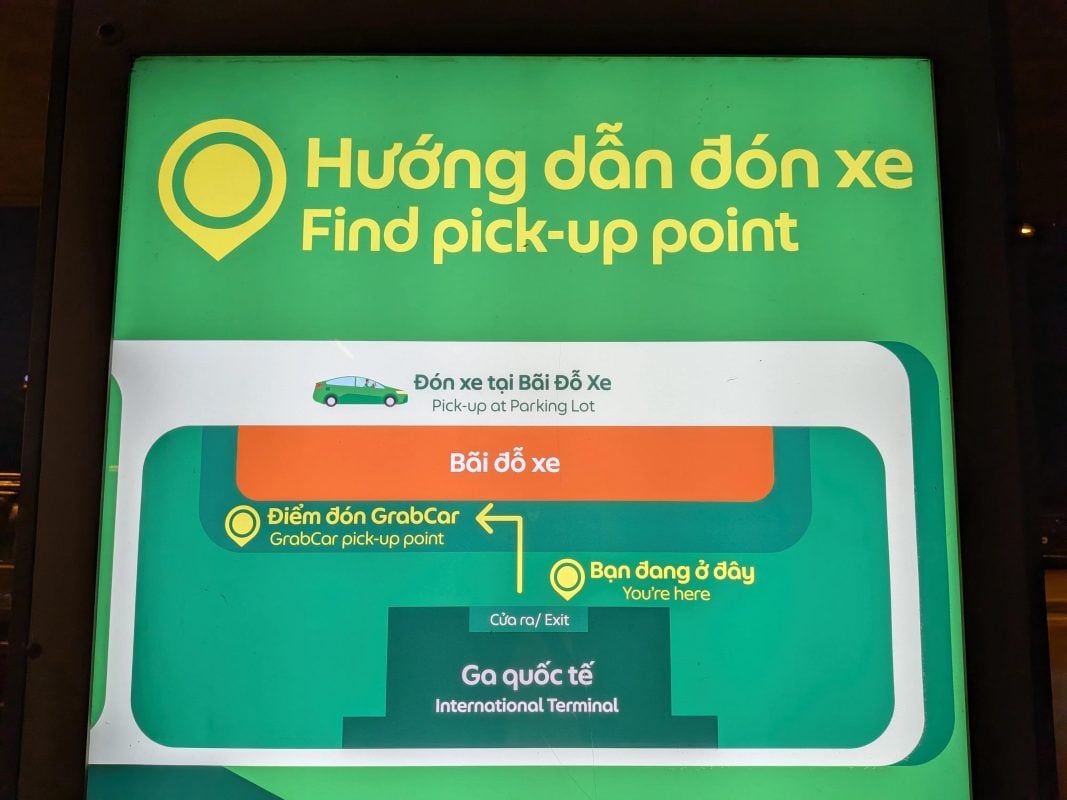
Pick the option that suits your arrival. An app is easiest if you have data, and the Hanoi airport bus saves money if you travel light and land during its hours. A hotel pickup booked in advance makes sense if you arrive late, travel with young children or carry a lot of luggage. Be wary of “free” hotel transfers offered by someone you haven’t arranged anything with, which the UK travel advice flags as a possible scam.
Airport taxi scams have been reported in Vietnam. In June 2025, a tourist at Noi Bai Airport was reportedly charged around VND 900,000 by someone posing as a Grab driver, compared with a normal app fare of about VND 367,000.
Here’s how the three main arrival airports compare (as of October 2026). Distances, times and taxi fares are rough estimates from Vietnam Airlines’ guides for Hanoi, Ho Chi Minh City and Da Nang.
| Airport | Distance to the centre | Typical drive | Rough taxi fare | Cheaper option |
| Noi Bai (Hanoi) | About 27 km | 45 to 60 minutes | VND 300,000 to 400,000 | Bus 86 to Hanoi Railway Station, near the Old Quarter: VND 50,000, from 7 a.m. to around 10 p.m. (not route 68, which goes to Ha Dong) |
| Tan Son Nhat (Ho Chi Minh City) | About 6 km | 15 to 20 minutes | VND 150,000 to 200,000 | Ride-hailing apps, often a little cheaper than a taxi |
| Da Nang | About 3 km | 10 to 15 minutes | VND 60,000 to 100,000 | Ride-hailing apps, with the fare shown upfront |
If you arrive late at night or travel with young children and several bags, consider booking a hotel transfer in advance. You can also use public transport where available, such as Bus 86 from Noi Bai Airport to central Hanoi.
What happens when you check in at your hotel?
When you check in at a hotel in Vietnam, reception will ask for your passport so they can register your stay with the local police, which is required for foreign guests. You don’t have to do anything yourself. If you’re staying in a private home or with friends, ask your host to confirm they’ve registered you.
Some hotels keep your passport for a while after check-in. If you’d rather carry it, ask for it back once they’ve finished the registration, and keep photos of your passport photo page and visa on your phone either way.
If you arrive early in the morning, before your room is ready, ask reception to hold your luggage while you go out for breakfast. Save the hotel’s phone number while you’re at the desk, because you may need it tonight.
What should you do on your first evening in Vietnam?
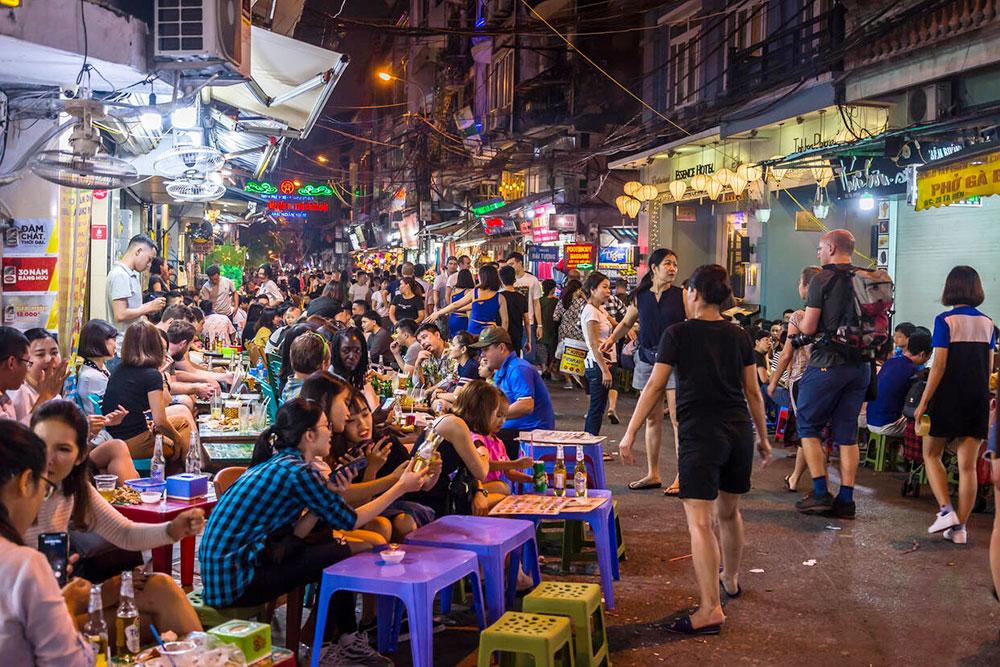
Keep your first evening in Vietnam simple and close to your hotel. After a long flight, a short walk, a local meal and an early night are usually enough.
1. Before heading out
- Save the emergency numbers: 113 for police, 114 for fire and 115 for an ambulance.
- If you need emergency assistance, remember that the lines are answered in Vietnamese. Ask your hotel reception or someone nearby to help make the call.
2. Stay safe when walking around
Traffic in Vietnamese cities can be busy, so take care when crossing the street:
- Walk at a slow, steady pace so motorbike riders can anticipate your movements.
- Don’t run or step back suddenly.
- Cross alongside local pedestrians when possible.
3. Before going to bed
- Check that Google Maps and WhatsApp work with your Vietnamese mobile data.
- Drink bottled water rather than tap water.
- Get some rest so you’re ready to explore the next day.
For more details, see our guides to Google Maps in Vietnam and WhatsApp in Vietnam explain what to expect.
Conclusion
Your first day in Vietnam doesn’t need to be complicated. Once you’ve cleared immigration, connected to the Internet, prepared some cash and arranged transport to your hotel, the rest can wait until tomorrow.
A little preparation before departure, especially installing your eSIM and saving your hotel details, can make arrival much easier. Take time to settle in, get some rest and enjoy exploring Vietnam at your own pace.