



Most travelers can charge their devices in Vietnam without much trouble, but whether you need a plug adapter depends on the type of plug you bring. Vietnam mainly uses Type A and Type C sockets, with a standard voltage of 220V. This guide explains quickly about Vietnam plug adapter, which plugs fit, when you need an adapter or voltage converter, and what to pack before your trip.
What plug types does Vietnam use?
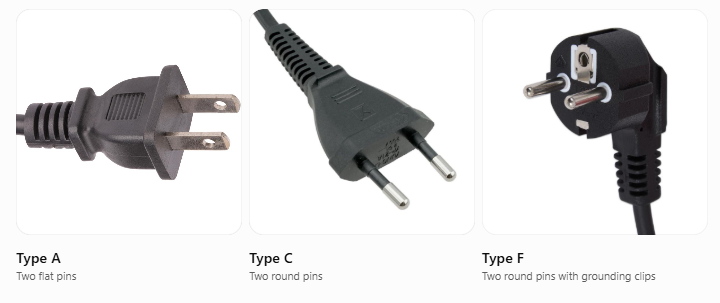
Vietnam mainly uses Type A and Type C plugs and sockets, although some references also list Type F. Type A has two flat parallel pins, Type C has two round pins, and Type F has two round pins with metal grounding clips on the sides.
What do power plugs and sockets in Vietnam look like?
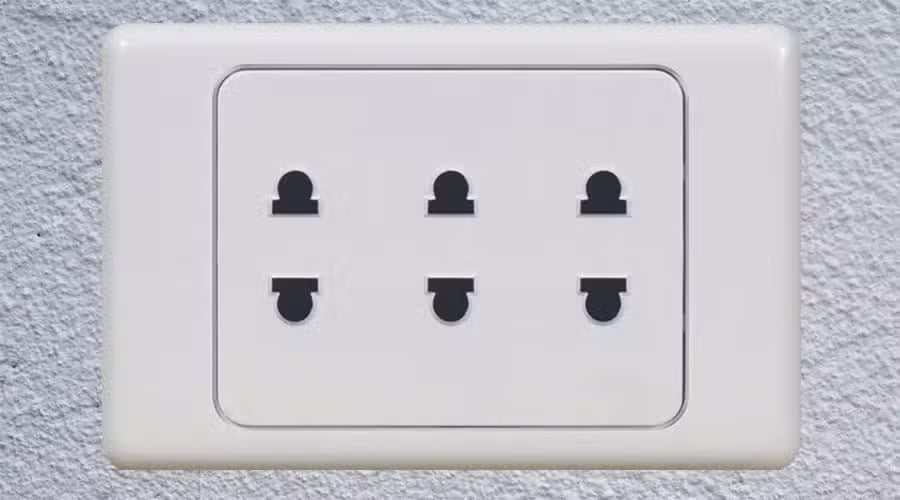
Vietnamese wall sockets come in different designs. Many accept both Type A and Type C plugs, while others have different configurations. Some outlets also have a grounding hole for three-pin plugs, but this is not available everywhere.
Vietnamese wall sockets come in different designs. Many accept both Type A and Type C plugs, while others have different configurations. Some outlets also have a grounding hole for three-pin plugs, but this is not available everywhere.
If your charger has three pins, especially a UK or Australian-style plug, don’t assume it will fit. Check the socket at your accommodation or bring a compatible travel adapter.
Do you need a plug adapter for Vietnam?
You need a plug adapter for Vietnam if your plug has three pins or isn’t Type A or Type C. Two-pin Type A and Type C chargers, common in the US, Canada, Japan, China and much of Europe, usually fit directly. UK, Australian, Indian and other plug shapes don’t, so bring an adapter with Type A or C pins.
Find your home country in the table below, then check the plug on your actual charger, since some countries use more than one type.
| Where you’re from | Your plug | Does it fit in Vietnam? |
| US, Canada | A (two flat pins), B (with a round ground pin) | Type A fits. Type B only fits outlets with a ground hole, so bring an adapter. |
| Japan | A, B | Type A fits. Check your device’s voltage (see below). |
| China | A, I | Type A fits. Type I (the Australian-style plug) needs an adapter. |
| Continental Europe | C, E, F | Type C fits. Thicker E/F plugs may only go in partway and sit unsafely, so bring an adapter. |
| South Korea | C, F | Type C fits. Type F may only go in partway and sit unsafely, so bring an adapter. |
| UK, Ireland, Singapore, Malaysia, Hong Kong | G | No. Needs an adapter. |
| Australia, New Zealand | I | No. Needs an adapter. |
| India | D, M | No. Needs an adapter. |
Keep in mind that a basic two-pin adapter does not provide grounding. If your device requires a grounded connection, use a compatible grounded adapter and socket.
Travelers’ reports point the same way. In a Reddit’s thread, one visitor said they had never needed an adapter on two trips, and another said a US plug charged their iPhone at every outlet during a two-week trip. These are individual travelers’ personal experiences rather than a rule, so a small adapter is still worth packing in case you hit a different socket.
What plug adapter should you pack for Vietnam?
A compact travel adapter with Type A or Type C output pins is a practical choice for Vietnam. If you’re coming from a country that uses Type G, Type I or another incompatible plug, choose one that accepts your home plug and fits Vietnamese sockets. A universal travel adapter is also useful if Vietnam is just one stop on a longer trip.
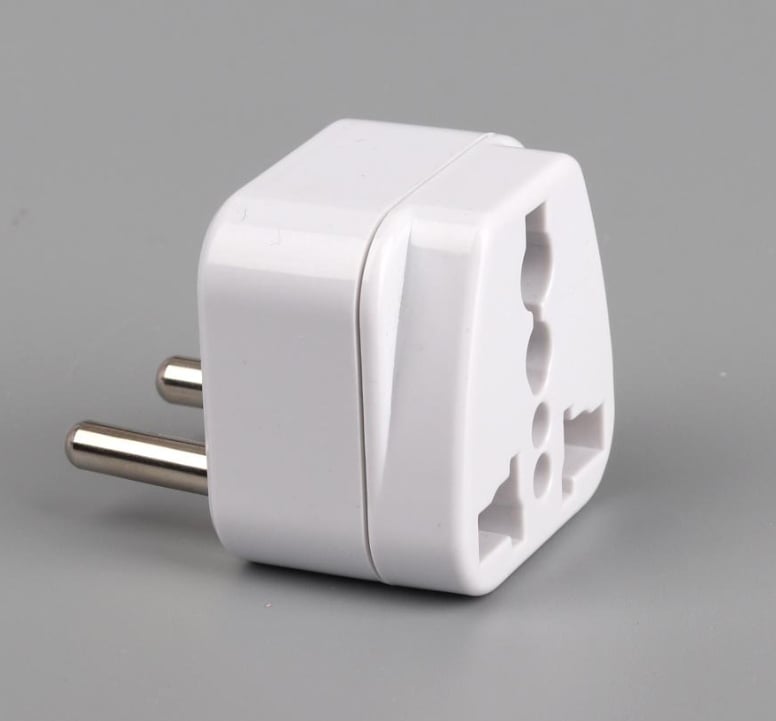
When choosing one, check these points:
- Plug compatibility: Make sure the adapter accepts your home plug type, especially if your charger has three pins.
- Socket compatibility: Choose an adapter with Type A or Type C output pins for use in Vietnam.
- USB ports: Built-in USB-A and USB-C ports are useful for charging multiple devices without carrying several power bricks.
- Build quality: Choose a well-made adapter from a reputable brand, with a secure fit and appropriate safety certifications.
Do you need a voltage converter in Vietnam?
No, most travelers don’t need a voltage converter in Vietnam. Phones, laptops, tablets and most other personal electronics work with Vietnam’s 220V power supply, provided their chargers support 100–240V.
You should check the input rating printed on your charger or device before plugging it in. If it says “INPUT: 100–240V, 50/60Hz”, it’s compatible with Vietnam’s power supply. Here’s what to check for common travel devices:
- Phones and tablets: Most Apple and Samsung chargers support 100–240V, so you can use them in Vietnam without a voltage converter.
- Laptops: Most modern laptop power adapters also support 100–240V. Check the label on the power brick to confirm.
- Cameras: Camera battery chargers commonly support 100–240V, but check the input rating on your specific charger.
- Electric shavers and toothbrushes: Many travel models are dual-voltage, but not all. Check the label before charging or using them.
- Hair dryers and straighteners: These heating appliances that often draw much more power than smaller electronics. Some are designed for 110–120V only and may overheat or become damaged when connected to Vietnam’s 220V supply. A dual-voltage model is usually the better option.
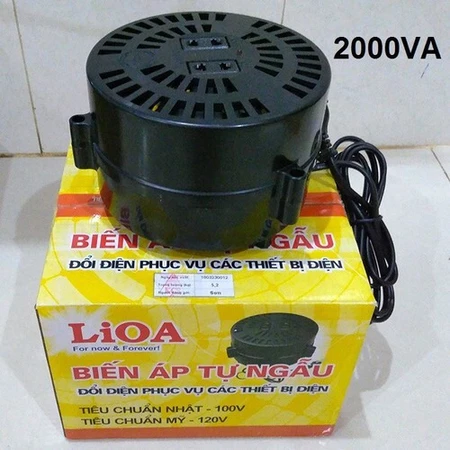
Remember that a plug adapter only changes the shape of the plug; it does not convert voltage. If your device is rated for 110–120V only, you’ll need a suitable voltage converter to use it with Vietnam’s power supply.
For high-wattage appliances such as hair dryers, check the converter’s wattage rating carefully, as many travel converters cannot handle their power requirements.
Many hotels in Vietnam also provide hair dryers, so check with your accommodation before packing one.
What plug adapter should you pack for Vietnam?
A compact travel adapter with Type A or Type C output pins is a practical choice for Vietnam. If you’re coming from a country that uses Type G, Type I or another incompatible plug, choose one that accepts your home plug and fits Vietnamese sockets. A universal travel adapter is also useful if Vietnam is just one stop on a longer trip.
When you choose one, check these points:
- Plug compatibility: Make sure the adapter accepts your home plug type, especially if your charger has three pins.
- Socket compatibility: Choose an adapter with Type A or Type C output pins for use in Vietnam.
- USB ports: Built-in USB-A and USB-C ports are useful for charging multiple devices without carrying several power bricks.
- Build quality: Choose a well-made adapter from a reputable brand, with a secure fit and appropriate safety certifications.
Can you buy or borrow a plug adapter in Vietnam?
Yes. You can buy plug adapters at electrical supply shops and some electronics stores in Vietnam. Some hotels may also lend one at the front desk, although availability varies by property.
If you need an adapter immediately after landing, bringing one from home is the safer option. This is especially useful if you arrive late at night or are heading straight to a smaller town where finding the right adapter may take more time.
For the rest of your packing list, see what to pack for a Vietnam trip. And once your phone is charged, our Vietnam eSIM guide explains how to get mobile data running as soon as you arrive.