



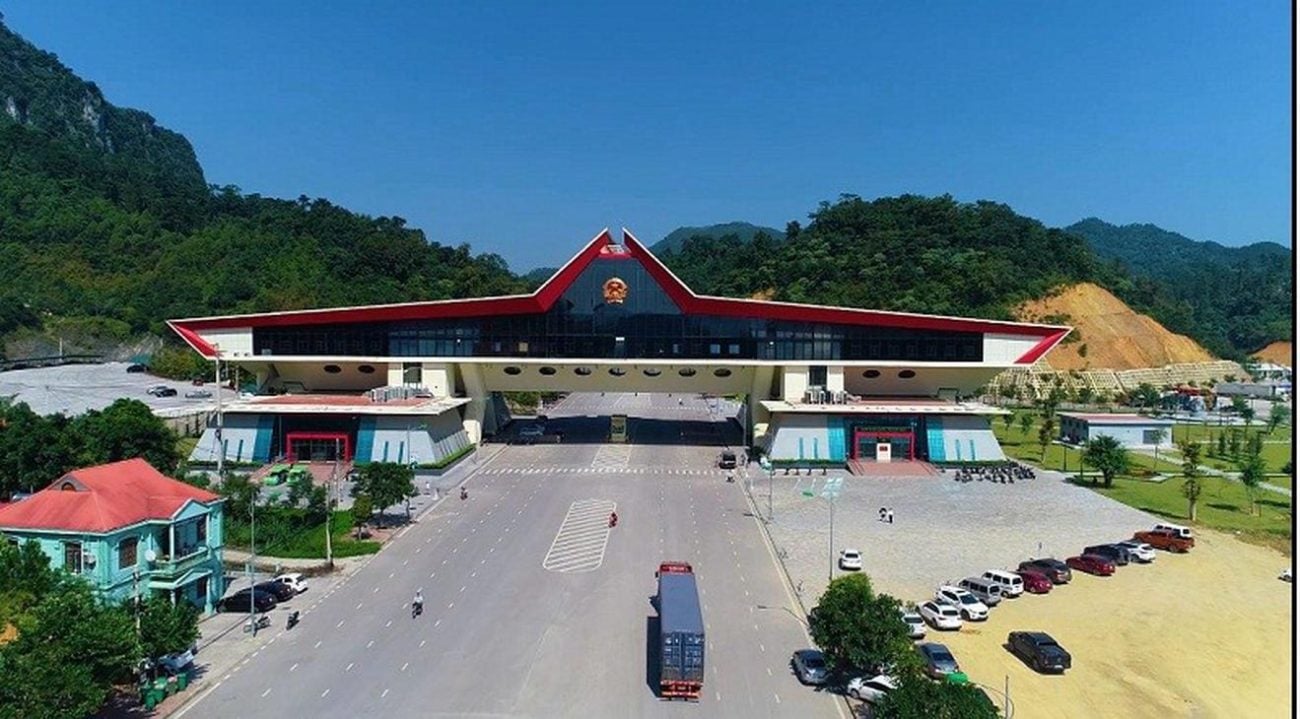
Crossing into Vietnam overland, whether from Cambodia via Moc Bai, Laos via Lao Bao, or China via Huu Nghi, you will want your mobile data working the moment you clear customs. Here is the most important thing to know: land border gates do not have telecom counters. Unlike international airports like Tan Son Nhat or Noi Bai, land checkpoints are strictly immigration and customs facilities. Even busy crossings with nearby duty-free areas sell liquor, tobacco, and imported snacks, not tourist SIM cards.
To stay connected when crossing overland, you have two main options: install an eSIM before reaching the border or buy a physical SIM in the nearest Vietnamese town.
Best Option: Buy and Install a Vietnam eSIM Before You Cross
Setting up a digital eSIM before reaching the border checkpoint is the easiest way to get instant data.
- When to Install: Scan your QR code using hotel Wi-Fi in Phnom Penh, Siem Reap, Vientiane, or Nanning before boarding your bus or train.
- When It Activates: Once you clear immigration and step into Vietnam, your phone automatically connects to a local network like Viettel or Vinaphone.
Viettel eSIM Setup Rule
Most travel eSIMs only start their validity countdown once they connect to a network inside Vietnam. However, Viettel eSIMs start their countdown immediately when installed.
To handle this, you should install your Viettel eSIM on the morning of your border crossing, not days ahead. If you choose a Vinaphone eSIM, validity starts only when you connect to a local Vietnamese tower, so installing a few days early is fine.
→ Check if your phone is compatible with eSIM or not before purchase. If your phone isn’t, move to the Alternative Option below.
How signal is at the Vietnam border line?
At major low-altitude crossings like Moc Bai or Huu Nghi, mobile signal picks up quickly. At remote mountain passes (such as Tay Trang, Cau Treo, or Bo Y), signal can be weak right at the gate. Therefore, you should download an offline map on Google Maps or Maps.me before leaving your hotel so you can navigate offline until full coverage returns.
Choose Multi-Country Data Plans for Overland Trips
If you are traveling through several Southeast Asian countries overland including Vietnam, a regional eSIM switches networks automatically as you cross borders:
- Vietnam and China eSIM: Designed for routes crossing at Lao Cai or Huu Nghi.
- Thailand, Cambodia, Laos, and Vietnam eSIM: Covers full overland trips across all four countries.
- Thailand, Cambodia, and Vietnam eSIM: Ideal for trips through Thailand, Cambodia, and Vietnam without visiting Laos.
→ Explore all eSIM Plans on Vietnamesim.com to match your exact itinerary
Alternative Option: Buying a Physical SIM Card in Vietnam
If your phone does not support eSIMs, you will need to buy a physical SIM inside Vietnam.
- Bring Your Physical Passport: You must show your original passport in person. Photos or scans are not accepted by official telecom stores.
- Avoid Unregistered Street SIMs: Never buy pre-activated SIMs from unofficial street vendors at border stops. Vietnam strictly blocks unregistered numbers, meaning an unregistered line can get cut off without warning.
- Where to Buy: Since there are no carrier desks at border gates, take your transport to the nearest major town and visit an official Viettel or Vinaphone store.
How to Pick the Best Vietnam Network: Viettel vs Vinaphone vs MobiFone
For land border arrivals, Viettel is the top recommendation. As Vietnam’s largest state-backed operator, it provides the broadest coverage in rural border provinces and mountain routes.
- Viettel: Best overall coverage across Vietnam; essential for northern mountain destinations like Ha Giang, Sapa, and Dien Bien Phu.
- Vinaphone: Fast speeds in cities, major towns, and main highways; a reliable second choice.
- MobiFone: Great performance in major urban hubs like Hanoi and Ho Chi Minh City, but weaker signal strength in remote border regions.
→ See a complete review on top 3 mobile operators in Vietnam
Quick Checklist for Overland Travel
- Original Passport: Valid for at least 6 months.
- Unlocked Smartphone: Carrier-locked phones reject foreign SIMs and eSIMs.
- Pre-Installed eSIM: Installed on Wi-Fi before reaching the border (keeping the Viettel timing rule in mind).
- Downloaded Offline Maps: Google Maps or Maps.me saved for offline use.
- Local Cash (VND or USD): Card readers at border cafes and transport hubs are often unreliable.
Frequently Asked Questions on Border SIM Card and eSIM
Can I buy a Vietnam SIM card inside the border gate?
No. Border checkpoints are strictly immigration facilities without telecom counters. You should set up an eSIM in advance or travel to the nearest town to buy a physical SIM.
Do I need to submit my passport to buy an eSIM on Vietnamesim.com?
No. Online eSIM purchases do not require passport registration; your activation QR code is delivered directly to your email.
Will my eSIM work immediately upon crossing the border?
Yes. As soon as your phone connects to a local Viettel or Vinaphone tower after crossing, data will activate automatically. At remote mountain checkpoints, signal might take a few minutes to pick up as you travel down the main road.